Guest Blogs

The Odds and Ends of Being Church Together

November 24th, 2025

This post is one of the monthly posts blog posts written by the deans of the conferences of the Minneapolis Area Synod.

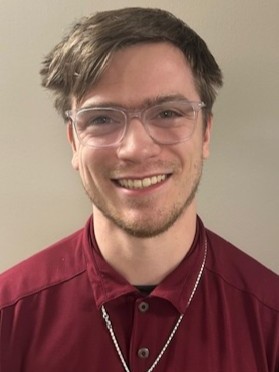
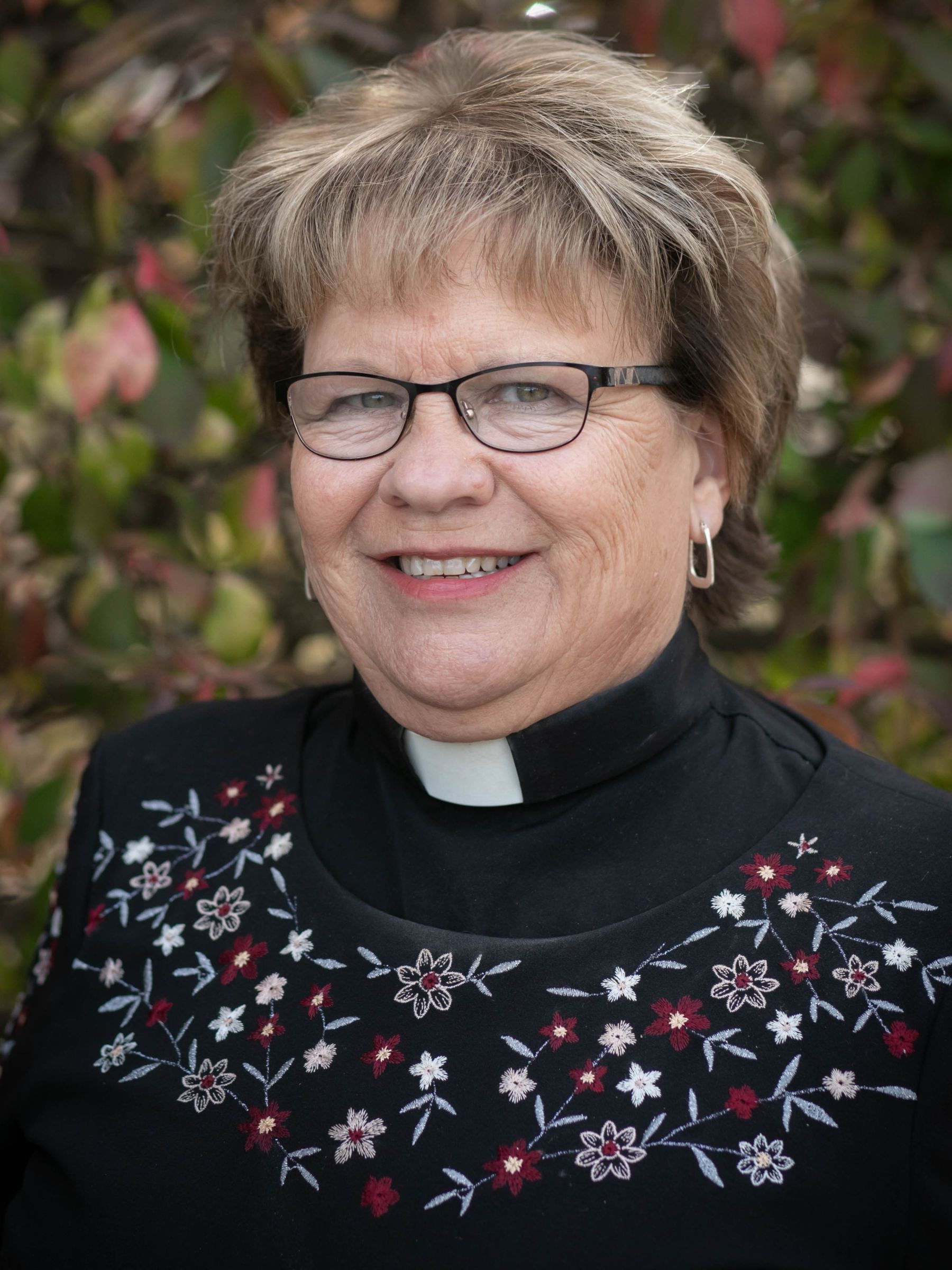
By Pastor Trevor Skorburg
Zion Lutheran, Buffalo
Dean of the Western Waters Conference

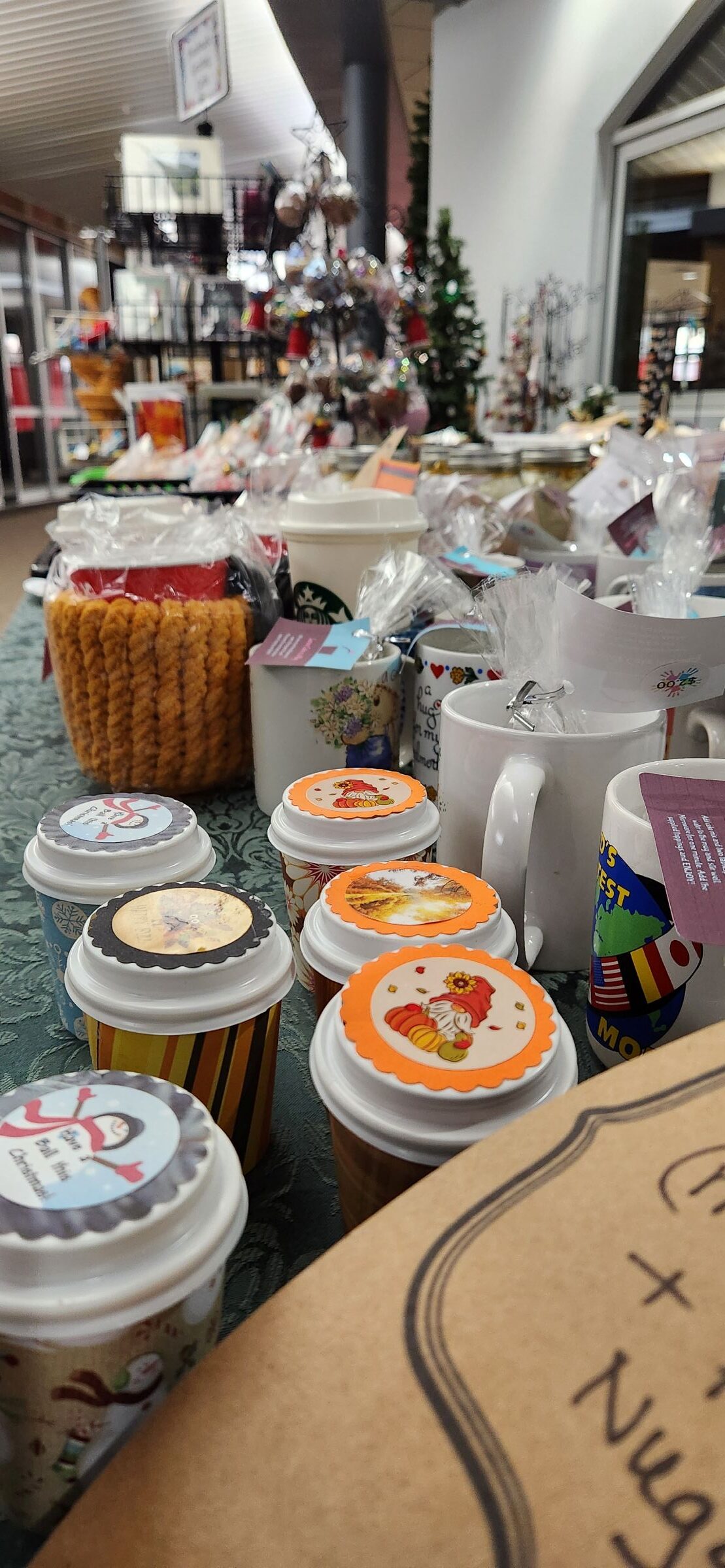
What does an old gas can, handmade cards, and sweet treats all have in common?

Well, for over 40 years, Zion Lutheran in Buffalo has hosted an annual Christmas Market led by the Harvest of Hands team. All the funds raised go to local and global hunger relief. It’s a place where you’d find some great white elephant gifts (an old gas can), lovingly crafted presents to share (handmade cards), and something to munch on during all the shopping (those sweet treats). It’s an eclectic image that ultimately points to serving those in need.
In many ways, it’s a fitting picture of the Church. The wide and diverse body of Christ gathers together the many odds and ends. In one of the more well-known passages from Paul, he writes how the assembly of Jesus-followers is like our very bodies: “For just as the body is one and has many members, and all the members of the body, though many, are one body, so it is with Christ… Now you are the body of Christ and individually members of it” (1 Cor. 12:12, 27, NRSVUE). The church, at its best and truest self, is a diverse body with many odds and ends, people who wouldn’t have met otherwise if not for this unique gathering that is church. Where the powers and principalities of this planet may offer only isolation, individualism, and separation, God speaks of the communal, the collective, and the reconciliation.

Through the power of the Holy Spirit, the church becomes an array of gifts gathered together. And while we may look at the church and wonder how all these people fit together, indeed we do by the grace of God. This is what our synod certainly reflects. As we stretch across metropolitan Minneapolis into suburbs, exurbs, and rural towns and cities, we reflect God’s vision of church that sees beyond what we could imagine.

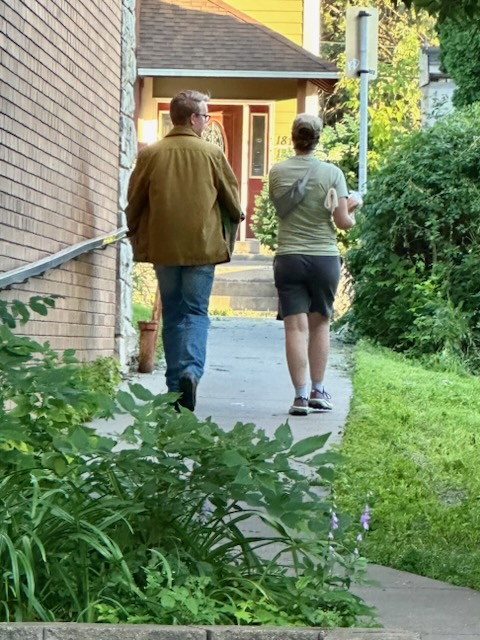
Pastor Trevor from Zion, Buffalo, and Kelly Mielke from Redeemer, Minneapolis, delivering meals to the community around Redeemer

Where we would exclaim ‘A gas can, handmade cards, and sweet treats don’t go together!’, God finds a way to bring us together in spite of the differences, for the sake of the neighbor. Like any good potluck, being church together brings more than we can on our own – a potluck with lefse & krumkake, as well as tamales & mole, sambuusas & bariis – ultimately feeds the world. As part of this synod, we know and celebrate the differences among us. And as part of this synod, we embrace the ELCA values ofInclusion and diversity” which state, “As Christ’s church, we value the richness of God’s creation and offer a radical welcome to all people, appreciating our common humanity and our differences. We are a church that does not view diversity as a barrier to unity.”[1] Our unity in Christ leads us, the odds and ends, to be brought together in ways we couldn’t imagine: shared meals from Wright County to Glenwood Avenue {+pic 2 of Pastor Trevor from Zion, Buffalo and Kelly Mielke from Redeemer, Minneapolis delivering meals to the community around Redeemer}; worshipping together across neighborhoods and languages; and friendships formed in faith at a Tool Kit tens of miles from home. Each of these little moments from synod gatherings is a gas can, greeting cards, and sweet treats meeting and learning what things they share.

All of this, of course, is evident in the communion table which draws all of us together at The Meal. With the simplicity of bread and wine/juice, we join Jesus’ dinner table which welcomes, invites, and insists on hosting those who would be turned away elsewhere, deemed to not ‘fit in’ to the overall pallet of a place. As we turn to the holiday season and these closing weeks of 2025, and gather with family and friends, may we always make room for our fellow odds and ends that our tables may extend from that Table of Grace into the whole world. Thanks be to God that we are Church Together, odd as it may seem.

[1] https://www.elca.org/about/vision-and-purpose

Abundant Life

November 18th, 2025

This post continues the Mission Table’s “Year of Partnership” highlighting the new and strategic ministries of the Minneapolis Area Synod. Our Redeemer Oromo Evangelical Church is one of the strategic ministries and worships in Minneapolis.

By Pastor Asefa Wakjira
Our Redeemer Oromo Evangelical Church, Minneapolis

There is a 28-second video on YouTube where a journalist asked famous reggae singer Bob Marley about his incredibly successful music career. Here is an exact transcript from the video: 

Journalist: Are you a rich man?
Bob Marley: What do you mean rich? 
Journalist: You have a lot of possessions? A lot of money in the bank?
Bob Marley: Possessions make you rich?  I don’t have that type of richness. My richness is life.  


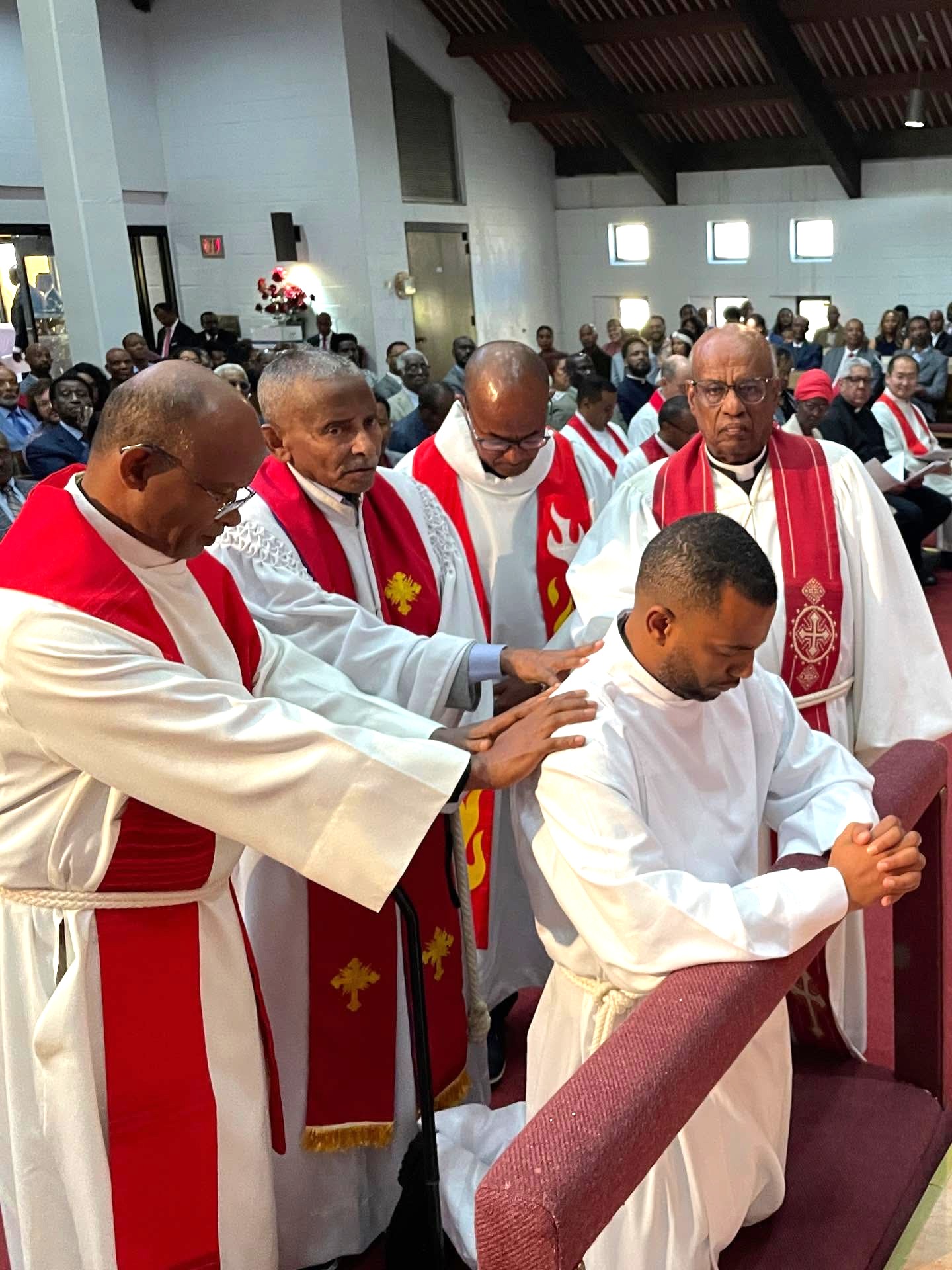
Reflecting on my journey through the candidacy process to become a rostered leader in Minneapolis Area Synod, I feel like Bob Marley.  I believe I’m rich in life. What has made me feel rich in life is the gift of friendship.   I found pastors, chaplains, and spiritual directors who were genuinely eager to show me the way and cheer me on in my candidacy journey.  They were generous with their time and attention.  I believe this comes from God.  After my candidacy was approved, the Synod worked with me to make my ordination day special.  The ordination day was beautiful. Many pastors and ministry friends in our synod showed up. There were also friends from the chaplaincy world who participated in amazing ways. My parents even came from Ethiopia, despite the challenging visa process these days. Many people from different Oromo Churches in the Twin Cities gathered, and a few friends and family members travelled great distances to Minnesota.   

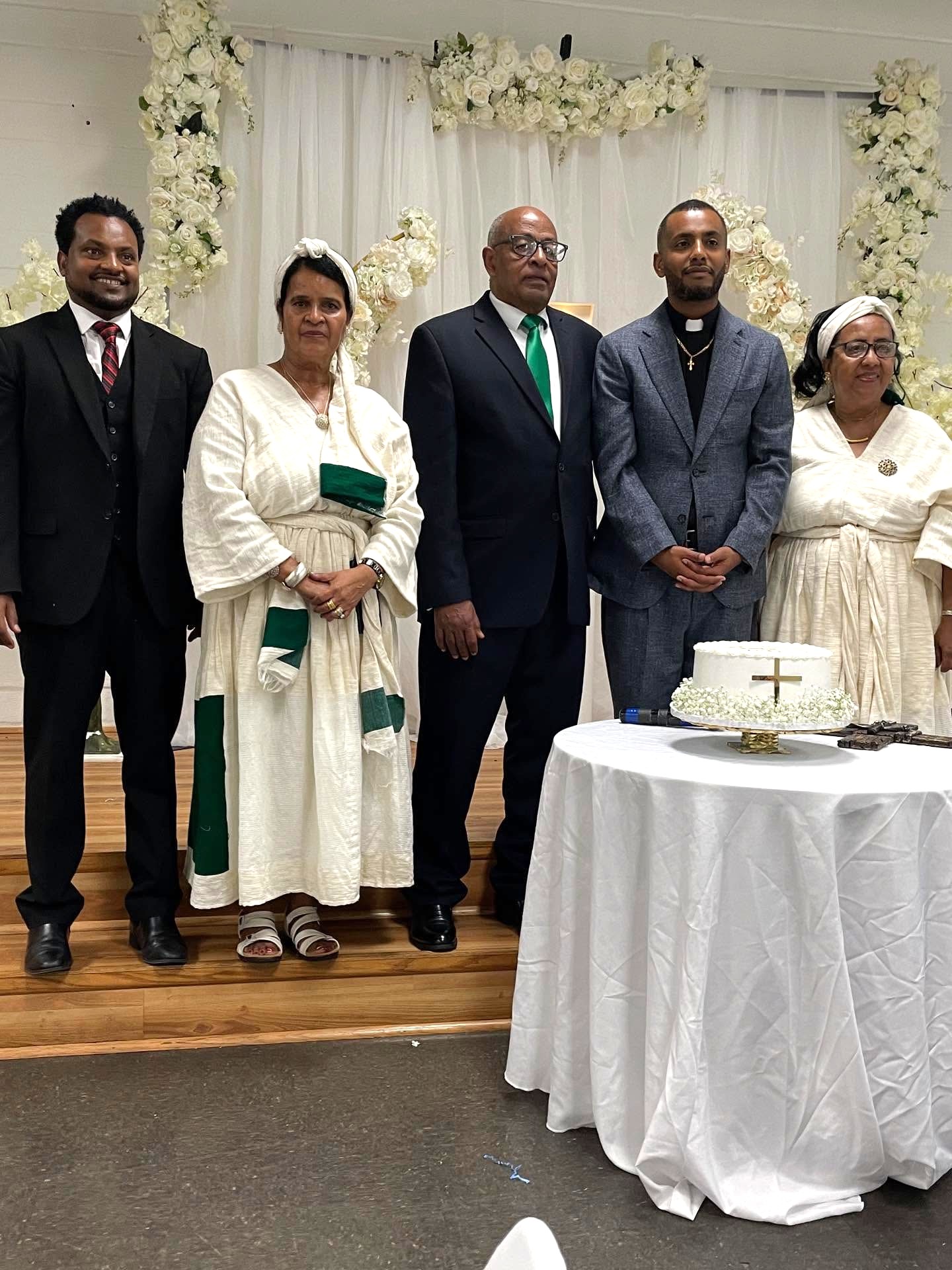
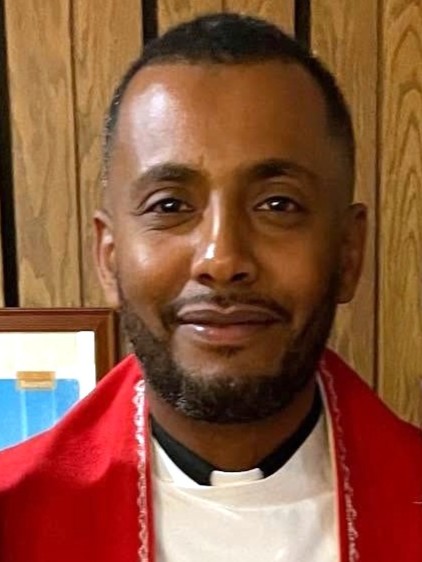
Pastor Asefa with the Our Redeemer Oromo Council Members: Obbo Aaron Abdissa, Adde Wubitu Sima, Obbo Deresu Taressa, and Adde Lydia Ashana (L to R)


The Apostle Paul said,
God will meet all your needs according to the riches of his glory in Christ Jesus” (Philippians 4:19).  God uses people who show up in a meaningful way to meet our needs. For me and my Church, Our Redeemer Oromo Evangelical Church, God blesses us richly with the accompaniment of our synod and other local partners.  Life and ministry flourish when we walk together.   

I’m grateful for the journey and accompaniment I have been provided with. It may not be easy to step out of the circles that we know and are comfortable with. But we are called to reach out to help individuals and communities who are in need.  That is how we become rich in life. Jesus said, I came that they may have life and have it abundantly’ (John 10:10). Irrespective of the environment that tears community and country apart, we are called to be together. Abundance and rich life is found in community.  

BOLD Community

October 28th, 2025

This post continues the Mission Table’s “Year of Partnership” highlighting the new and strategic ministries of the Minneapolis Area Synod. Bread of Life Deaf Lutheran Church is one of the strategic ministries and worships in Minneapolis.


By Janie Barlow
Communications and Office Manager at Bread of Life Deaf Lutheran Church

Bread of Life Deaf Lutheran Church may surprise some people. Some of you may be trying to picture in your minds how Deaf people can worship and how they honor God in their fellowship. For most of you, perhaps we are something new for you to learn about. For some of you, we are partners in ministry or have become acquainted with each other. Perhaps you have seen some of our leaders and members at different Synod events with American Sign Language interpreters. Here’s the scoop!

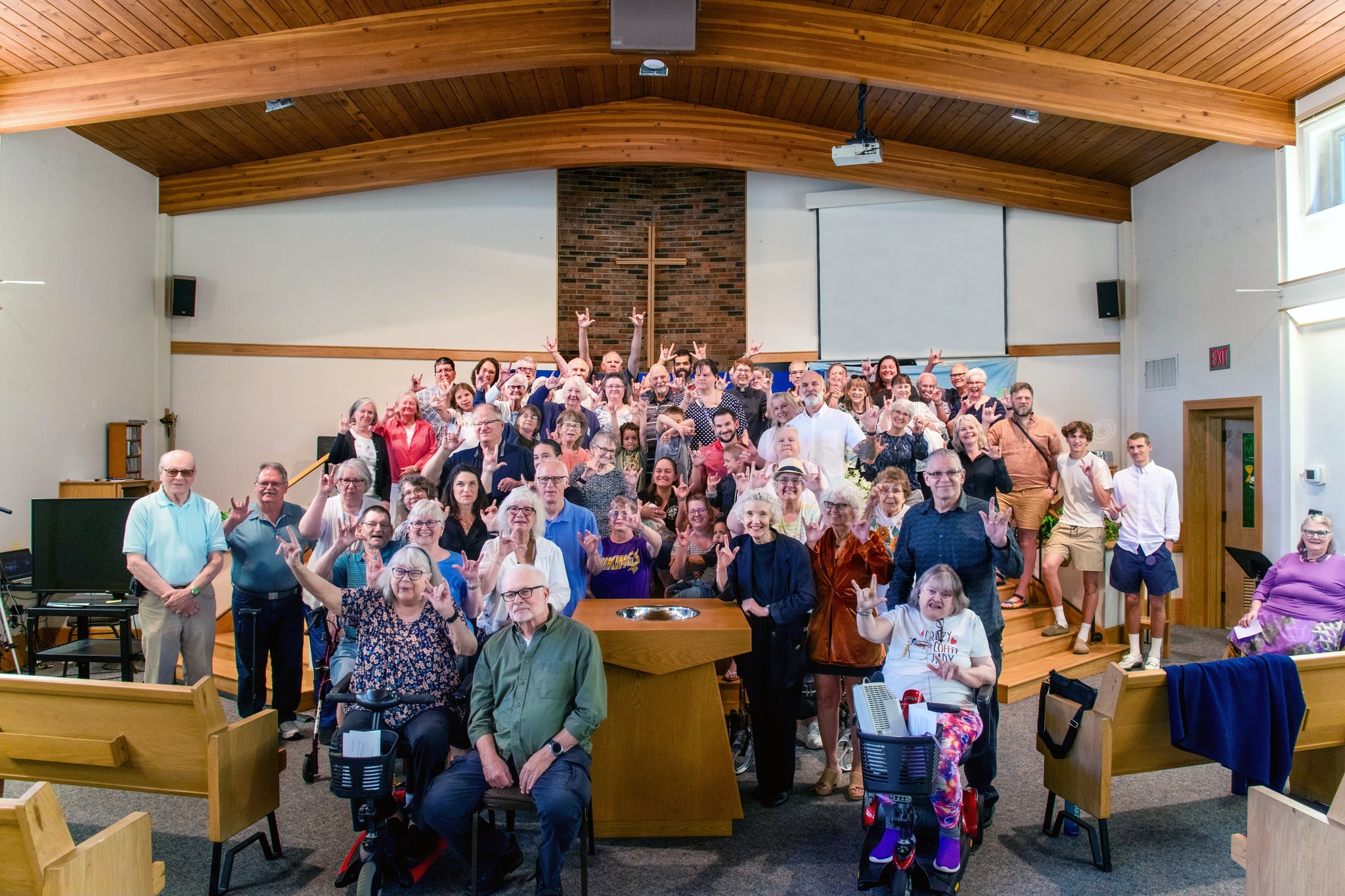
We are Bread of Life Deaf, also known as BOLD, and our number one focus is Deaf Ministry. We serve the Deaf, Hard of Hearing, and Deaf Blind community in the Twin Cities area as well as the farther parts of Minnesota. In recent years, our livestreams have also reached Deaf individuals and Deaf ministries across the United States. We even connect with some Deaf and Deaf ministries in Africa! Our church has been Deaf-run, Deaf-owned for 70 years now! Psst, that means we are older than the ELCA and MAS. We had a building that we owned for 68 years. Recently, we moved to live under Minnehaha Communion Lutheran Church to live without the added stress and financial responsibility of maintaining a building with an aging congregation, as we decided to instead shift our focus and our ministry back to the Deaf community.
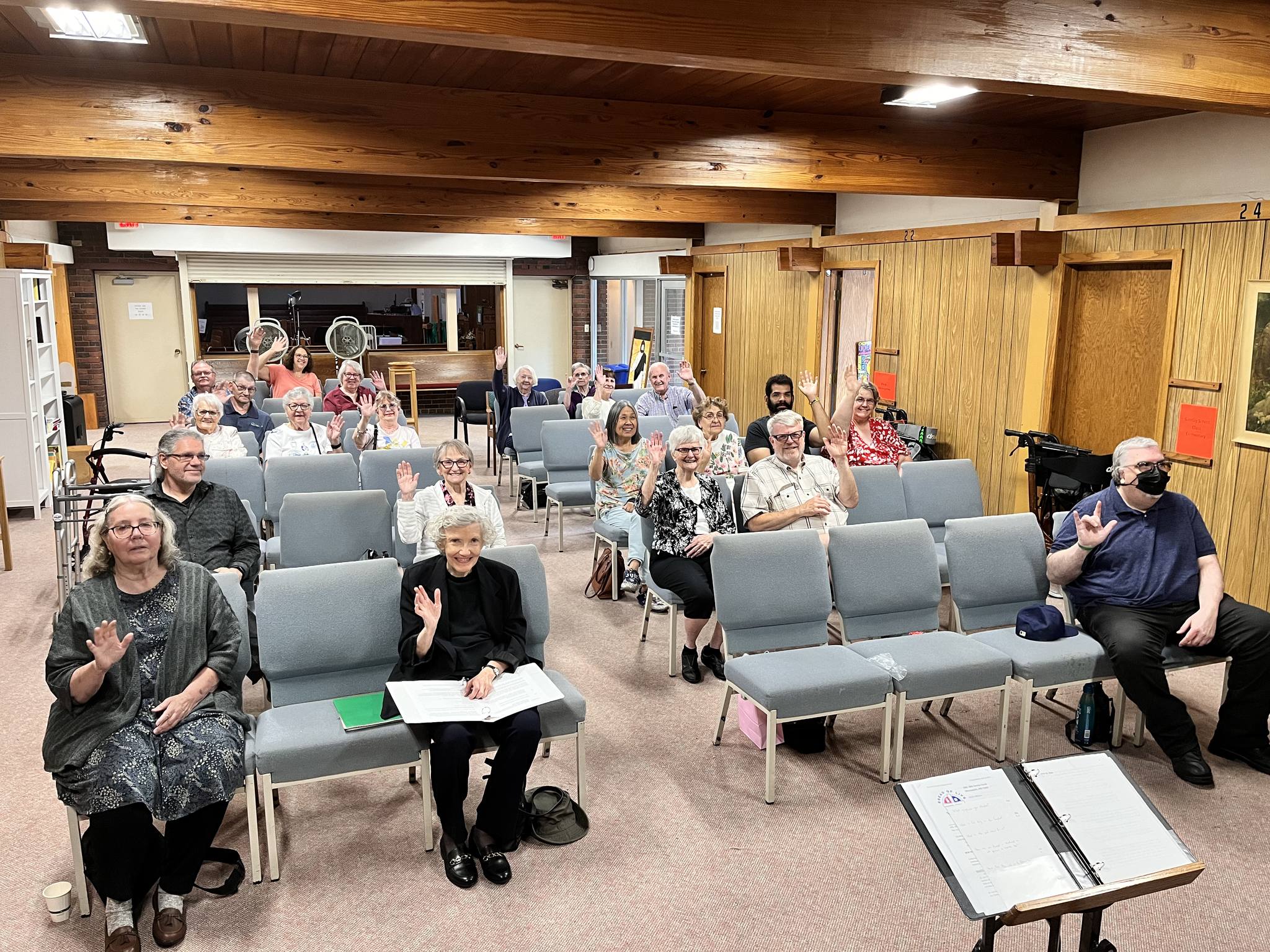
Through the years, we have had a number of hearing Pastors lead or take over our congregation (“hearing” is what we call the population that have full use of their ears). We have supported all the hearing Pastors in taking their time to learn our language, American Sign Language (ASL). We also teach and support them as they learn our culture and our needs. We have had two deaf or hard of hearing Pastors in our 70 years of ministry. We have had a Deaf Deacon, Dorothy Sparks, for well over 30 years. We have grown in numbers and we have declined in numbers. We are currently in the same situation that many small churches are in – we are working to figure out what and how our ministry works and what that looks like in this day and age while trying to do it all with a small group of regular people. We know that we want to serve our Deaf community and its members, and we can also serve our local community. Combining the two or serving the two are easier said than done. We also are in great need of supporting and lifting up potential future Deaf leaders to serve in Deaf Ministry. With all of this discerning and planning, it is easy to get overwhelmed.


One thing that has not changed in the 70 years of BOLD would be the way that we have worship. Worship is ALWAYS expressed in American Sign Language (ASL). ASL is our core, is our safety, is our culture, and is our connection to one another. Fellowship comes easy when it comes to the Deaf community. We all have different backgrounds, different degrees of hearing loss, different devices (or none) used to hear, and different skill levels of signing but that doesn’t stop us from being welcoming and connecting with one another. Our music is not your music. When we have music in our worship service, our music is loud and deep with bass and drums beating. We FEEL the music, and worship through this music. We also SHOW our worship as we sign to the heavens and praise our Savior and Lord, Jesus Christ. As we pray each week, our hands move in prayer as if we tell a story. Sometimes, a gospel story turns into a small performance – ASL can sometimes look like that! We cherish and fiercely protect our culture and Deaf ministry.

That’s not to say that we exclude others – quite the opposite. If we have visitors who are learning or want to learn ASL on any level, they’re welcome! If we find others that want to learn about us and truly want to understand how to be an ally for our church and our community, welcome! If you’re simply curious about how a Deaf church worships or you’re visiting by an invitation of one of our community members, we welcome you! Each one of us is a child of God, and through God, we are the family and body of Christ. We have been here for 70 years, and with God’s Blessings, we hope to be around for many more!

Sixty-four Different Competencies

September 23rd, 2025

This post is one of the monthly posts blog posts written by the deans of the conferences of the Minneapolis Area Synod.

By Pastor Katie Jorgenson
Faith Lutheran Church, Waconia

Dean of the Southwest Conference

What American corporate culture labels as weakness is actually at the very heart of true church community: relying on one another’s gifts and being honest about our needs.

A friend of mine was sharing his work culture and how challenging it was to have a culture of self-improvement or a personal growth mindset. He shared how his friend, the company CEO, felt like he was ‘supposed to know everything,’ when, in fact, he knew he did not know everything. It left me wondering, how often do churches expect pastors to know everything?

For over a decade, the University of Notre Dame has been studying what it means for pastors to flourish in ministry. Researchers, led by Dr. Matt Bloom, have conducted interviews and surveys with over 20,000 pastors. Years ago, I was selected for the interview portion of the Flourishing in Ministry research project and sat for multiple interviews.

Pastor Katie using one of her many competencies

One finding from the research contends that “performing all of the tasks required of most local church pastors would require sixty-four different personal competencies.” The researchers note that it is inconceivable and impossible for one person to excel in all 64 distinct knowledge, skills, abilities, and personal characteristics.[i] This particular study focused on pastors, but surely similar statistics could be true about lay leaders and people in all different kinds of jobs as well.


Recently, a pastoral colleague shared that during a performance evaluation, they were criticized for asking for help with a new responsibility. Is the church, in practice, overlooking our calling to be the Body of Christ—collaborative and interconnected—when we expect individuals to excel across so many areas? Are we forgetting what it truly means to be church together?

In the Apostle Paul’s first letter to the Corinthians, he writes, “Now there are varieties of gifts but the same Spirit… To each is given the manifestation of the Spirit for the common good.” (1 Corinthians 12:4, 7) Congregations need the gifts of all those who show up during the week, whether people come for worship or faith formation, or to share in meals or the gifts of music.

At a worship service a few years ago, we were short one sound tech. I had a proficient knowledge of the system, so I stepped in. The senior pastor began leading worship and noted that I was running the sound booth. About five minutes later, one of my volunteers came rushing in, “I was watching the livestream and heard you were running the soundboard, so it’s good I live close,” he said. This volunteer said to me, “Get up there and lead worship. I can’t do your job, so let me do mine.”

Being church together is about sharing our Spirit-given gifts with one another for the common good of all. What gifts and skills do you have that you can share with the Body of Christ, so that we can all flourish in our shared life together?

—–

[i] Dr. Matt Bloom, Flourishing in Ministry: How to Cultivate Clergy Wellbeing, 9


Building Together: A New Season at All Nations Indian Church

September 8th, 2025

This post continues the Mission Table’s “Year of Partnership” highlighting the new and strategic ministries of the Minneapolis Area Synod. All Nations Indian Church is one of the strategic ministries and worships in Minneapolis.


By Dr. Kelly Sherman-Conroy (right)
All Nations Indian Church, Minneapolis

It was a typical morning at All Nations Indian Church. Volunteers were out front helping us beautify the landscaping by planting, trimming, and bringing life to the grounds around our building. In the middle of this joy and hard work, one of the pastors was outside picking up used needles on the ground when word came that someone was overdosing behind the church in the parking lot. Some of us rushed to help, others kept the landscaping moving forward, and still others gathered at the Spirit Fire to pray. That’s daily life here. You learn to expect the unexpected.

Living in the heart of the Native community means we carry the weight of the opioid and fentanyl crisis, houselessness, and the generational trauma that has touched so many lives. But alongside all of that, I also see resilience, laughter, generosity, and healing every single day. Our Spirit Fire never goes out. People come to sit by it, to pray, to cry, to laugh, or simply to be.

Community at the Table

Twice a month, we host a potluck and community meeting at the church. It’s not just a meal; it’s a gathering of neighbors, Native Community leaders, Native and non-Native organizations, and multijurisdictional representatives who sit around tables together to ask: How can we face the challenges before us? How can we begin to heal?

These conversations are helping us build a culturally specific response to trauma. We know our community can’t heal through one-size-fits-all approaches. It has to come from lifting up our Indigenous ways, honoring language and story, and recognizing that trauma is carried across generations. Sharing food, listening, and learning together is part of how that work begins.

Meeting People Where They Are

We’re also finding ways to walk alongside our unhoused relatives through what we call our Community Helpers program. Folks who are unhoused often help us care for the church and grounds, and it’s become about so much more than work.

We get to hear people’s stories. We laugh together, share food, and listen. Sometimes what people need most is simply to be seen and welcomed as part of a community. Through this ministry, we’ve learned that offering dignity and belonging is just as important as offering shelter or aid. For us, it’s about meeting people right where they are in their journey, no matter what that looks like.

Mental Health Ministry: A Sacred Call

One of the most urgent needs we see is mental health care. Too many of our relatives carry heavy trauma without safe places to turn. That’s why our Mental Health Ministry has become such an important part of who we are.

We’re blessed to have an in-house Native American counselor walking with us. That matters deeply, not only because culturally grounded care is essential, but because mental health services are often simply unaffordable. By offering free sessions, talking circles, and connections to other practitioners, we’re making healing possible for people who might otherwise go without it.

We’re also working to build a culturally specific response to trauma through this ministry. Healing isn’t only individual, it’s generational, communal, and spiritual. We honor Indigenous practices and wisdom, knowing that Creator meets us in all of it.

Leadership in Family and Faith

Another unique part of our ministry is our pastoral leadership. My mother, Rev. Joan Conroy, is our Senior Pastor, and I serve as Associate Pastor, we are both Oglala Lakota Sioux. Leading together as both pastors and family means we navigate this journey not just as colleagues in ministry, but as kin. That’s become one of our strengths as a community, it’s a reminder that ministry itself is about family, in every sense of the word.

And if you really want to see that sense of family alive, come join us for Elder Bingo. You’ll hear more jokes and laughter than numbers being called. It’s its own kind of ministry, one rooted in joy, humor, and community.

A New Way of Mission Ministry

We believe God is calling us into a new way of thinking about mission. For too long, “mission” has meant one church giving while another receives. At All Nations, we are inviting our partners into something much deeper, a relationship of mutual care where we give and receive together.

It means seeing one another as kin, not projects. It means asking: How do we show up for each other? How do we share not just our resources, but our hearts, our time, our prayers?

Things Happening This Fall

This fall, we’re leaning into that call. We’re inviting our partners into book studies and conversations about colonization and healing. We’re continuing our Community Healing events that welcome anyone — our Native community, our neighbors, and anyone who comes to find support and care.

And thanks to the generosity of the Lilly Grant, we’re also blessed to be walking alongside our friends at Our Saviour’s Lutheran Church and San Pablo Lutheran Church for the next five years. Together, we’re learning what it means to lay culturally specific foundations for each of our ministries that are rooted in relationship, healing, and shared mission.

In November, we’ll gather with our partner congregations for a Wopila, a traditional celebration of thanksgiving. It’s our way of giving back, of honoring the generosity we’ve received, and of reminding ourselves that gratitude is its own gift.

Building from the Ground Up

All Nations is, in many ways, building from the ground up again. Every week, we welcome visitors from congregations across the area who want to learn, pray, and walk alongside us. Their presence is a reminder that we are not alone, and that our story is tied to the wider church.

We are also an ecumenical congregation, living into the roots of both the United Church of Christ and the Evangelical Lutheran Church in America. That partnership has been part of our identity for more than 30 years, and it continues to shape how we live out our call: to be a community where traditions come together for the sake of healing.

We are surrounded every day by the prayers, hands, and hearts of our community. We are guided by Creator God, who calls us to love our neighbors in bold and courageous ways. And we are strengthened by the belief that together, we can create something life-giving and lasting.

As pastors we are grateful and hopeful, and we invite you to walk with us.

Church Together: Walking Each Other Home

August 26th, 2025

This post is one of the monthly posts blog posts written by the deans of the conferences of the Minneapolis Area Synod.

By Pastor Kris Tostengard Michel
Bethlehem Lutheran Church Twin Cities

Dean of the South Minneapolis Conference

Last November, we received word that a former member, aged 92, had died. The family had moved away 60 years ago, but for three-and-a-half decades, Bethlehem had been a place where faith was formed, friendships nurtured, and the next generation was introduced to stories and songs about Jesus.  

The man had requested a simple scattering of his cremains. With the family now spread across the country, how would we arrange a ceremony that met the deceased’s request, the current needs of a large and religiously diverse family, and the schedules of all involved? 

The family decided to gather in Minneapolis for a burial in April. My schedule didn’t allow me to go to the burial cemetery, so we arranged for the family to stop by Bethlehem Lutheran Church* for a blessing the day before the inurnment.  

The stained glass in the chapel at Bethlehem Lutheran Church Twin Cities


On the morning of the blessing, we were pleasantly surprised to welcome nearly double the number of family members we’d expected! The Holy Spirit was at work! I started thinking about where we’d find some extra chairs, slightly worried about how we’d all fit in the small chapel space. Before the blessing, thinking they may want to see how the space had changed – and not changed — over a few generations, and perhaps hear the majestic organ again, I gave them a tour of the space. They took one look around and said, “Wait…we’ve never been here before…This doesn’t look like the church we remember!” They realized they had belonged to Bethlehem Lutheran Church in North Minneapolis, not South. The Bethlehem they attended had merged with other congregations (Bethlehem and Zion, River of Life, and Christ English) over the years which today is known as Christ the River of Life, a congregation that still worships in the building they had known and loved. They started texting family and friends to make sure everyone was headed to this Bethlehem* on Lyndale Ave South. 

A short time later, with everyone at the same Bethlehem Lutheran Church location, we scooted and squeezed into the tiny chapel. We named the reason for gathering: to remember a beloved father, brother, uncle, and friend, to give thanks for his life, and to commend him to God’s eternal care. I read Scripture, and his loved ones created an impromptu group eulogy. In the intimacy of that space, we looked into each other’s eyes and spoke the truth about his life; he was a beloved child of God, his life on earth mattered, and his life is now with God.  


Sometimes I walk by the chapel in the late afternoon when the sun streams through the windows, and I remember the thin place we shared that day when the distance between heaven and earth collapsed. Our gathering wasn’t about a particular place or congregation that worshiped there — Bethlehem here or there. We were a multigenerational company of saints spanning time and distance to accompany another who was traveling on to be with God. We are church together, people simply walking with each other.  

“Blessed be the God and Parent of our Lord Jesus Christ, the source of all mercy and the God of all consolation, who comforts us in all our sorrows so that we can comfort others in their sorrows with the consolation we ourselves have received from God.”  (2 Corinthians 1:3-4)


*Bethlehem Lutheran Church Twin Cities was formed in 2009 when Minnetonka Lutheran Church and Bethlehem Lutheran Church of Minneapolis (formed by the 1923 merger of Golgatha and Bethlehem Lutheran Churches) consolidated.  

Sent Out Beyond Your Recall

August 5th, 2025

By Pastor Colin Grangaard, YAGM Alum
First Lutheran Church of Crystal, Brooklyn Park

God speaks to each of us as he makes us, then walks with us silently out of the night.

These are the words we dimly hear: You, sent out beyond your recall, go to the limits of your longing.

Embody me.

Flare up like a flame and make big shadows I can move in.

Let everything happen to you: beauty and terror. Just keep going. No feeling is final. Don’t let yourself lose me.

Nearby is the country they call life. You will know it by its seriousness.

Give me your hand.

(Rainer Maria Rilke
Book of Hours, Book I, page 59)

It has almost been 20 years, but if we looked through my photos together, I bet I could still come up with all their names. Eddie played Celtic football until he blew his knee out. Craig was close to my age (at the time) and had the funniest sayings from a brief stint in the Navy and his home in Aberdeen. Lee gave me cooking tips I still use every day. Tom was called “Mr. President” because he’d been in recovery the longest and had a way of setting the new guys straight. For a year, I was welcomed as a volunteer at the Bethany Christian Centre in Edinburgh, Scotland, through the ELCA program, Young Adults in Global Mission (YAGM).

That’s where I learned how our faith practices can save and sustain lives. The Bethany counsellors taught me how to pray from the heart. Every shift change, the staff and volunteers would gather for a handover. Craig’s dark mood or Lee’s distracted preoccupation during our AA/NA step meetings would come up and then be incorporated into our prayers.

That’s where I heard my call to ministry. Traveling overseas was initially the appeal, but I hadn’t imagined how the experience would change me. During my year, I saw redemption, the forgiveness of sins, and the work of the Holy Spirit. I saw healing and transformation up close and in person.

Years later, and after another long-term overseas experience, I remember turning 30 in my first ordained call at Trinity Lutheran Church in Moorhead, MN. It was right about that time that I began to notice that my call to young adult ministry had become less a call to spend time with peers and more another ministry of accompaniment in the midst of the big milestones of young adulthood.

Ten years after my own YAGM year, my wife and I were called to return to the close-knit YAGM community, this time as YAGM Country Coordinators. My family and I lived in Jerusalem from 2015 – 2019 alongside six to eight YAGM volunteers among the Palestinian Lutherans of the Evangelical Lutheran Church in Jordan and the Holy Land (ELCJHL).

The Jerusalem/West Bank iteration of YAGM falls within a six-mile radius. We were privileged to see each other often as we accompanied ministries of the ELCJHL. My wife and I provided educational retreats, hospitality, and a safe place for rest and reflection while staying pretty hands-off… or at least meddling as little as possible. We trusted that despite each year’s challenges, in the midst of complex and conflicting narratives, that the experience itself would do its own work on each of the volunteers – and us. After all, the YAGM program has a way of making big shadows in which the participants and the Spirit move.

“You, sent out beyond your recall, go to the limits of your longing. Embody me.”

It is exciting that the Minneapolis Area Synod will soon be sending out three young adults to YAGM orientation for a year of new experiences. Izzy Demarest will be heading to Argentina/Uruguay, Kristie Olson will go to Central Europe, and Masame Fletcher will be heading to the UK (I heard she might be going to Edinburgh!).

You, too, are invited into their journey. Each young adult is tasked with raising at least $5,000. We are grateful that the YAGM program is made possible through the generous support of members throughout the ELCA. Please also consider accompanying these individual young adults in their year of service through sponsorship. Through regular newsletters and social media posts, you will get to witness their growth and work as the year — and their lives — unfold.

 Isabelle Demarest

Isabelle Demarest will be doing her YAGM year in Argentina/Uruguay.

Her home church is Holy Nativity, New Hope, and she was an active member of Lutheran Campus Ministry and Grace University, Minneapolis, while she was studying at the University of Minnesota.

You can support Isabelle and her life-changing journey through a financial donation.

 Masame Fletcher

Masame Fletcher will be doing her YAGM year in the United Kingdom. She leaves for Scotland on August 25.

Her home church is Christ Memorial Lutheran, Plymouth.

You can support Masame’s YAGM year through a financial donation.

 Kristie Olson

Kristie Olson will be serving in Budapest, Hungary, where she will have a couple different work sites. 

Her home church is Woodlake Lutheran Church, Richfield, where she just recently finished working as their Communications Director.

You can support Kristie through a financial donation.

Building Beloved Community – We Can’t Do It Alone

July 21st, 2025

This post is one of the monthly posts blog posts written by the deans of the conferences of the Minneapolis Area Synod.

By Pastor Rhonda Hlavinka
Salem English Lutheran Church, Minneapolis
Dean of the Central Conference

South Minneapolis Day Camp is a collaboration of more than 15 congregations that come together each summer. This amazing group effort goes back way before my time at Salem, but for the past nine years I have had the privilege of serving as one of its leaders. Several years ago, we decided we needed a name other than just a geographical description and “Building Beloved Community – South Minneapolis Day Camp” was birthed.

I tell people all the time that this group of leaders from all these congregations is one of the best teams I get to work on. Each year, we gather in January to begin planning for one special week in June and pick a theme. We collaborate on everything from rotations, special guests, daily stories, and volunteers. We even have our very own songwriter, Gus, who, with the help of our campers, writes a day camp original each year.

What I want to share with you, aside from the background above, is a few of the reasons why this collaborative ministry – this chance to do church together – is so beautiful.

  • When you gather 15 church staff from different congregations, you pool a whole lot of creativity, skills, resources, and passions that none of us could do on our own.
  • While we are made up of congregations that range in size, likely none of our congregations would be able to host a day camp on our own. (Participation among congregations this summer averaged 6 kids per congregation.)
  • There are some years that congregations have participants, and some years they don’t – but it doesn’t matter because we are all still committed to being in this together.
  • Instead of having to do everything on our own, we get to lean into our individual gifts as leaders. We even stretch into new skills once in a while. (Who knew I could become so good at volunteer coordination?)
  • This once-a-year camp makes a difference for kids and families.
    • Some of these kids from other congregations, I only see once a year. But still, there is a special relationship we have forged that neither they nor I forget.
    • Because we offer camp for 5 full days, we give families a real option instead of day care for an entire week.
    • We offer our campers opportunities they may not get anywhere else. (Addressing environmental justice with an entire cardboard city, dancing and drumming with our Haitian friends from Afoutayi, and a middle school field trip to George Floyd Square, Calvary Food Pantry, and All Nations Indian Church … just to name a few.)
    • We strive to teach kids agency – to know they are an active part of their community and they make a difference. (They have talked with legislators, written letters to the mayor, practiced community organizing, and created their own protest signs about the things that matter to them.)

I could go on, but then this blog would be way longer than it should be. So here’s the main point, I suppose. (And it’s not just that our day camp is super cool.) The point is that God’s intention is for all of us to live in beloved community, and that kind of God-intended community is not something we do alone. Beloved community is Church Together. (Did you see how I brought our theme for the year right back around?)

Now, for those of you who like numbers and figures, here’s some of the math from our 2025 Building Beloved Community – South Minneapolis Day Camp:

109 K-8 Grade Kids
+ 20 High School Youth Mentors
+ 46 Adult Volunteers
+ 10 Special Guests
+ 15 Church Staff during the week
+ 166 Shirts Tie Dyed!
+ 90 Painted Kindness Rocks
+ 1 New Song written by Gus and the Kids
+ 750 Snacks delivered by the Snack Fairy!
+ 1 Free Little Library with…
+ 70 Shingles painted by kids
+ 30 Separate Rotations
+ 68 Stuffies made by elementary kids in Art!
+ 10
Openings and Closings with…
+ 50 Songs to sing
+ 1 Middle School all-day Fieldtrip
+ 1 Story Book as Inspiration for it ALL
______________________________________________
= So Much Beloved Community!

Part of the financial support for the South Minneapolis Day Camp comes through the Synod’s Summer Youth Program. The Summer Youth Program is funded through the generous mission support given by Minneapolis Area Synod congregations – thank you!

Is God Calling You to Partner With Us?

July 11th, 2025

This post continues the Mission Table’s “Year of Partnership” highlighting the new and strategic ministries of the Minneapolis Area Synod. Lao Evangelical Lutheran is one of the strategic ministries and worships in Robbinsdale.

By Pastor Thiem Baccam
Lao Evangelical Lutheran Church, Robbinsdale

My name is Thiem Baccam, and I have served as the pastor of Lao Evangelical Lutheran Church for over 30 years. Lao Evangelical was developed and organized here in the Minneapolis Area Synod as a ministry of the Evangelical Lutheran Church in America. The church has gone through up and down times. There was a time when our community had grown to include more than one hundred members. At present, we are a small Laotian congregation, worshipping in facilities provided by Elim Lutheran Church, Robbinsdale. We extend our thanks to Elim for the kind welcome, for the generous hospitality that they have shown us, and for a place that the Lao church can call home. We are also thankful to the Minneapolis Area Synod for its support and prayers. 

When this Lao church started, our calling was to do outreach among the first generation of Laotian immigrants in the Minneapolis area. Bible studies and worship were conducted entirely in the Lao language. Three decades later, the congregation has transformed and is being led by the second generation. It has been necessary to adapt and change. Worship is now done bilingually making use of both Lao and English. 

A group from Lao Evangelical on July 4, 2025


Pastor Thiem doing a baptism in 2024

While culture and leadership are different, the mission and vision are still to witness and share the gospel of Jesus Christ with Laotian neighbors and with all people: “this gospel of the Kingdom will be preached in the whole world as a testimony to all nations. (Matthew 24:14)

As we continue the work to which we are called, we need partner congregations to help sustain and encourage us. We pray and hope for partners in Christ that share our passion for outreach among the Laotian community. Partnering with our community is an opportunity to learn and share the love of God together. Ministry partnerships are especially important because of the deep relationships they can build. 

If you sense God’s call to begin a partnership with Lao Evangelical, please reach out and start a conversation with us. To help you discern, here are some specific ways that we are looking to partner:

  • In Prayer…that the Gospel will be preached and the Holy Spirit will reach into the hearts of the Laotian community. 
  • Through People…to help with music, youth activities, and additional programming. 
  • Through Technology…for developing a website and other “marketing” materials to reach into the Laotian community. 

Lao Evangelical is willing to assist ministry partners in serving the Lord together. We want to encourage you in your calling to reach out to neighbors and show God’s love and care. We are committed to praying for ministry partners. I invite you to pray and respond if God is calling you to begin a new relationship with us. 

Lao Evangelical Lutheran Church
3978 West Broadway Ave.
Robbinsdale, MN 55422

pastthiem@comcast.net

Anxious Generation

June 23rd, 2025

This post is one of the monthly posts blog posts written by the deans of the conferences of the Minneapolis Area Synod. 


By Pastor Sue Olson
Long Lake Lutheran Church, Isanti
Dean of the Northern Conference

In Paul’s letter to the Philippians, chapter 4, verses 6 & 7, we are reminded: “ Do not be anxious about anything, but in every situation, by prayer and petition, with thanksgiving, present your requests to God. And the peace of God, which transcends all understanding, will guard your hearts and your minds in Christ Jesus.”

Yet, we have raised an anxious generation and are facing a mental health crisis. In his book, “The Anxious Generation,” Jonathan Haidt makes a case for the decline in the mental health of our adolescents and a rise in depression, anxiety, self-harm, and suicide. He’s a social scientist who believes that a play-based childhood began to decline in the 1980s and was replaced by the phone-based childhood in the early 2010s. Think about that and where you fit in. Think about it again and see where the children you work with fit in. This generation of adolescents should be happier and healthier than any other generation throughout history, yet they are lonely and sleep deprived and have attention deficits and social anxieties.

I read this book with fascination as I related it to the decline of youth programs and youth participation in worship and education. I strongly encourage anyone who works with children, youth and families to read this book. (“The Anxious Generation” by Jonathan Haidt, ISBN 978-0-593-65503-0 Penguin Press, 2024) I agree that children need outside play and unstructured play. We over-supervise our children and are overly fearful for their safety. None of us over 50 were raised with parents watching our every move. Currently, many youth spend the majority of their time indoors, sitting alone in their bedrooms using screens. They constantly compare and shame each other: what they are wearing, what they are eating, what activities they are engaged in. They play video games for hours with “friends,” who are really strangers, from all over the world and are engaging in fewer face-to-face interactions. Daily time spent with actual friends has dropped dramatically in just 10 years. This is all very concerning.

Many homes previously had one shared computer in a public place in their home where parents could see everything their child was looking at. Now, many kids have access to computers or smart phones in the privacy of their bedrooms. You don’t have to think too hard to imagine what they can access on purpose or run into accidentally.

Haidt explains how our youth have become addicted to screen time; the neurotransmitters in their brains receive dopamine when an action feels good or is rewarded. Algorithms in computer programs and games are designed to dole out these rewards to build habits. Pleasure motivates users to keep using. Game developers and social media developers manipulate users with similar tactics as animal behaviorists. Studies quoted in the Haidt book state that the average teen reports spending more than seven hours a day on screen-based leisure activities which do not include school and homework. Most don’t have time, or interest in what we have to offer for youth programming. We can’t compete.

So, Paul says, “do not worry.” Jesus and angels constantly say, “do not be afraid.” Yet, I am fearful for this generation of youth. Of course, there are wonderful kids and parents; not all computer and screen use is bad, and not all are addicted to smart phones. But the statistics are concerning for many kids worldwide. We want this next generation to flourish, and I truly believe they need God, Jesus, and the Holy Spirit to do that. They need a faith community for support. It’s helpful to be aware of our competition for our message. What is good news to us is “meh” to many. I wish I had an answer. Meanwhile, I will try not to be anxious; try not to worry, and pray, pray, pray.

The grace of the Lord Jesus Christ be with your spirit. Amen.
Philippians 4:23

Go to Top